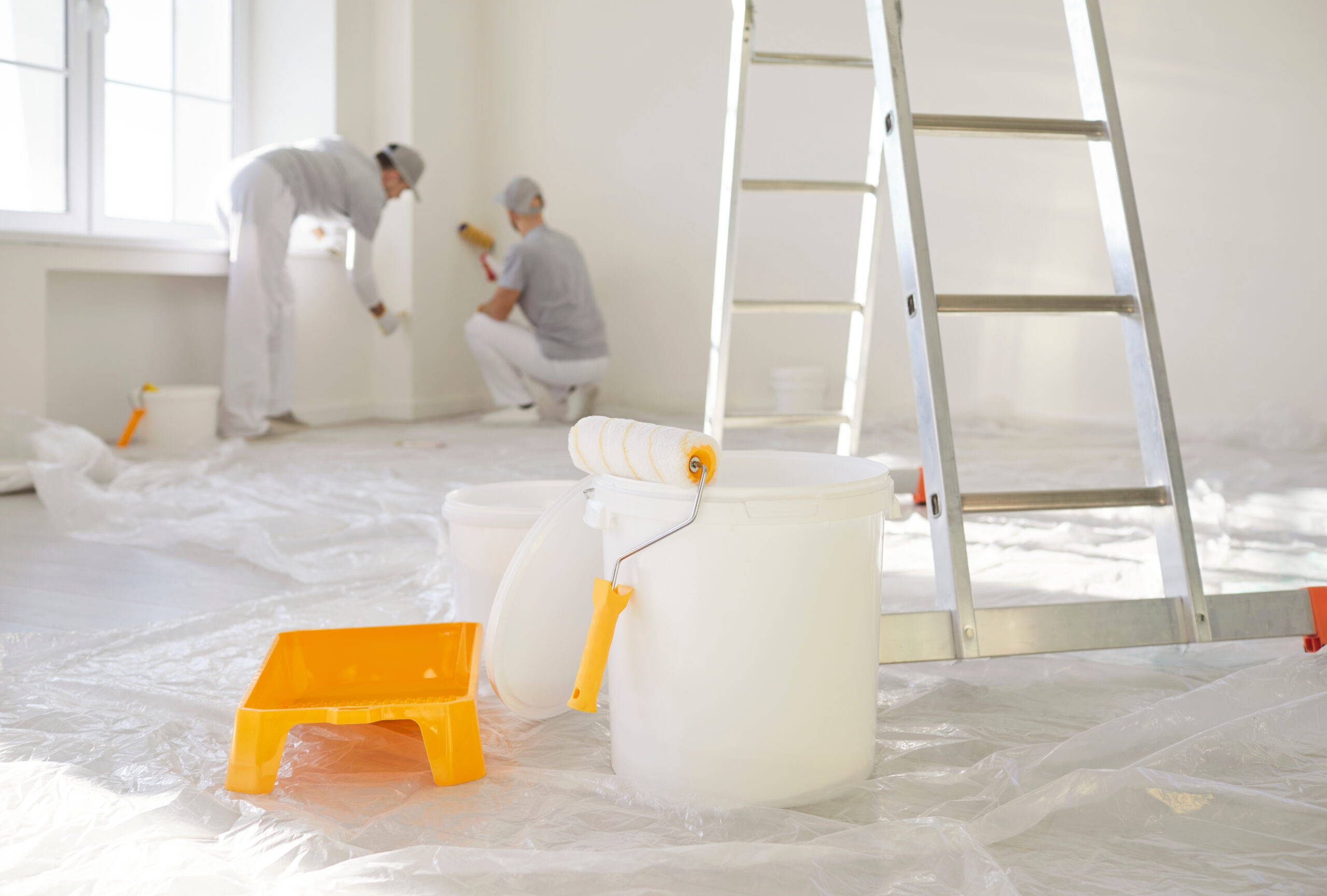
When it comes to painting, most homeowners focus on the color, finish, or overall look. Those things are important, but over my 30 years in the painting business, I’ve learned that the secret to a paint job that lasts is often overlooked. It all starts long before a brush touches the wall. Proper surface preparation is the foundation of any high-quality, durable paint job, and it is what separates professionals from amateurs.
The Role of Surface Preparation
Painting may seem as simple as applying color to a surface, but without proper preparation, even the best paint will fail. Surfaces must be clean, smooth, and free of damage to ensure paint adheres properly. Any dust, dirt, grease, or peeling paint can prevent the new paint from bonding, which can lead to bubbling, cracking, or peeling down the road.
At J Michael’s Painting, we take surface preparation seriously because it directly impacts the longevity of our work. Homeowners often don’t realize that the prep work can take as long—or even longer—than the painting itself. While it may seem tedious, it is time well spent for results that last for years.
Cleaning and Repairing Surfaces
The first step in surface preparation is cleaning. Dirt, oils, and stains can prevent paint from sticking, so walls and surfaces must be thoroughly cleaned. For exterior surfaces, this might involve power washing to remove grime or mildew. Interior walls are wiped down, sometimes lightly sanded, and patched to ensure smoothness.
Repairing imperfections is just as important. Holes, cracks, dents, and peeling areas must be filled and sanded so that the new paint has a solid, even surface to adhere to. Skipping this step may make a wall look fine at first, but the paint is more likely to peel or fade unevenly over time.
Sanding and Smoothing
Sanding is another critical step that is often underestimated. Even small rough spots or old paint ridges can affect the final finish. Sanding ensures the surface is uniform and allows the primer and paint to adhere evenly.
For wood surfaces, sanding also opens the pores so the paint can penetrate properly, providing better protection and a smoother finish. The goal is to create a surface that is ready to accept the paint without resistance. It may take extra time, but it pays off in a professional, long-lasting look.
Priming Matters
Primer is an essential part of surface preparation that many homeowners overlook. Priming helps seal the surface, provides a uniform base for the paint, and improves adhesion. It is particularly important on new drywall, repaired areas, or surfaces that have never been painted before.
Skipping primer can lead to blotchy coverage, color inconsistencies, and shorter paint life. At J Michael’s Painting, we use the appropriate primer for each surface to ensure the paint bonds properly and provides a smooth, even finish that lasts.
Protecting Surrounding Areas
Surface preparation also includes protecting areas that are not being painted. This may involve taping trim, covering floors, and moving furniture. A professional painter takes care to prevent accidental drips or damage. Preparation in this sense is about more than just the walls—it’s about treating the entire space with respect.
Homeowners appreciate this attention to detail. It shows professionalism and makes the final result more polished. When prep is done carefully, the painting process is faster and more efficient because everything is ready to go.
The Long-Term Benefits
Proper surface preparation is an investment in the future of your home. Paint that is applied to a well-prepped surface lasts longer, resists peeling and cracking, and retains its color for years. It reduces the need for touch-ups or repainting, saving time and money over the long run.
Many of our clients initially think prep work is unnecessary, but after seeing the finished product and how well it holds up, they understand why it is the most important step in the painting process. It is also a visible sign of professionalism and care.
Why Professionals Focus on Prep
DIY painting projects often fail because homeowners rush the prep process or skip it entirely. Even experienced do-it-yourselfers may underestimate how crucial cleaning, sanding, and priming are. Professionals understand that every detail contributes to the final result.
At J Michael’s Painting, we have developed a step-by-step preparation process over decades of experience. It ensures that every project starts with a solid foundation. Whether it is a single room, an entire home interior, or an exterior repaint, taking the time to prep surfaces properly guarantees a smoother, more durable, and more beautiful finish.
The Takeaway
If there is one lesson I have learned in more than 30 years of painting, it is this: preparation is everything. The time and effort spent cleaning, sanding, repairing, and priming make the difference between a paint job that lasts and one that fails prematurely. Homeowners often focus on the color or sheen, but the real work that ensures durability happens before the first brushstroke.
Investing in proper surface preparation is investing in the quality and longevity of your home’s appearance. At J Michael’s Painting, we take pride in doing the prep right so every project looks great and stands the test of time. Because in painting, the strongest foundation is not the wall itself—it’s the work you do before the paint goes on.